Qingdao No.1 International School of Shandong Province | QISS | 山东省青岛第一国际学校

Qingdao No.1 International School of Shandong Province | QISS | 山东省青岛第一国际学校
Adolescence is a pivotal stage of human development, defined by rapid physical, psychological, and social transformation. It is a period where individuals navigate the complexities of identity formation, academic rigor, and evolving social dynamics all while transitioning from the protections of childhood to the responsibilities of adulthood. Today, however, this transition is increasingly fraught. Globally, rates of adolescent anxiety, depression, and stress-related disorders are surging, exacerbated by digital exposure, social pressures, and regional instability.
While educational systems are intended to empower the youth, they often mirror societal inequalities, creating high-pressure environments that vary significantly across borders. Disparities in nutrition, healthcare access, and community infrastructure further widen the gap between those who can thrive and those who are left behind. These are not merely national issues but global crises. The well-being of the next generation is a “macro” concern; the future of our economic, cultural, and political stability depends on the health and readiness of young people today.
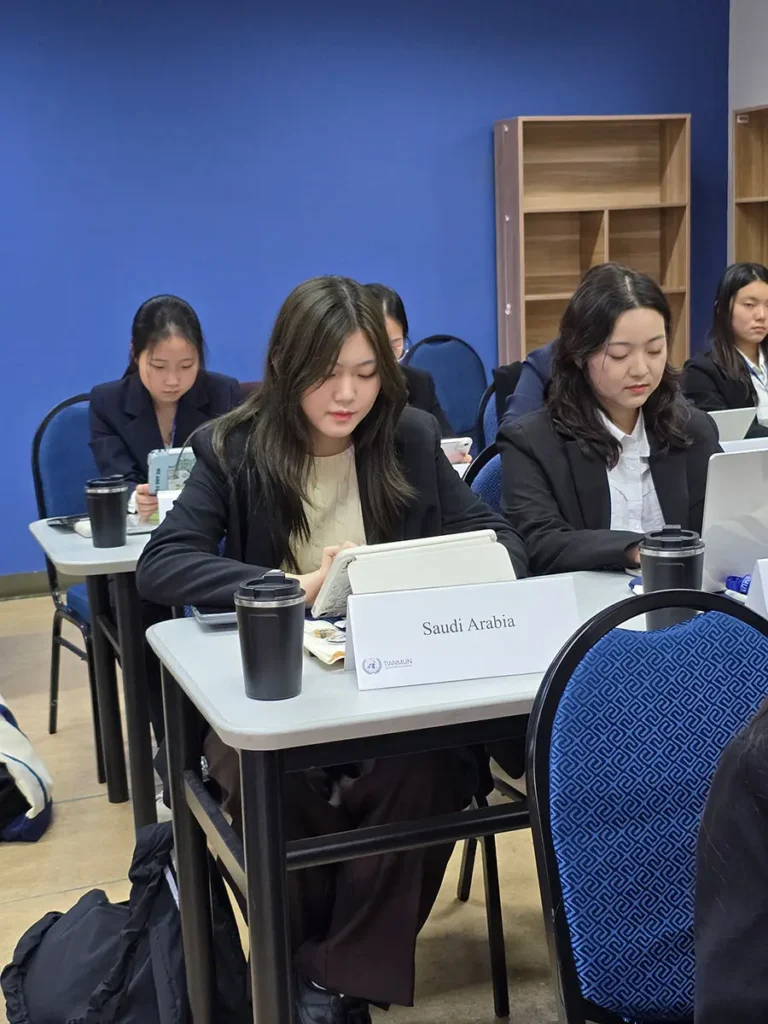
The General Assembly will approach adolescent growth from a holistic perspective. Delegates are tasked with identifying common challenges that transcend borders and fostering international cooperation to standardize support systems. This committee focuses on the intersection of regional risks and global policy innovation.
This assembly focuses on the micro-environments of the school and the family. Delegates will examine how modern societal shifts—such as technological advancement and hypercompetitive social structures—affect the learning experience and the psychological development of students.
The health committee will address the rising clinical concerns among the youth. The focus is on the long-term physiological and psychological effects of modern stress and substance use, treating adolescent health as a prerequisite for societal progress.
The HRC will focus on the legal frameworks that protect—or hinder—the right to development. Delegates will debate how cultural relativism and local laws interact with the universal right to an education and a safe upbringing.
The Youth Conference utilizes a standard MUN procedure (Proposals and Points of Information) to debate contemporary social questions.
The General Assembly will approach adolescent growth from a holistic perspective. Delegates are tasked with identifying common challenges that transcend borders and fostering international cooperation to standardize support systems. This committee focuses on the intersection of regional risks and global policy innovation.